In-clinic ABA therapy in Smithfield, North Carolina
Our brand-new Smithfield center at 910 S Brightleaf Blvd is a warm, structured space where children with autism build communication, social, and daily living skills through play-based ABA therapy. Every child gets an individualized plan designed and supervised by a Board Certified Behavior Analyst (BCBA) that grows with them.
Serving families in Smithfield, Clayton & Four Oaks

Why families choose our Smithfield center
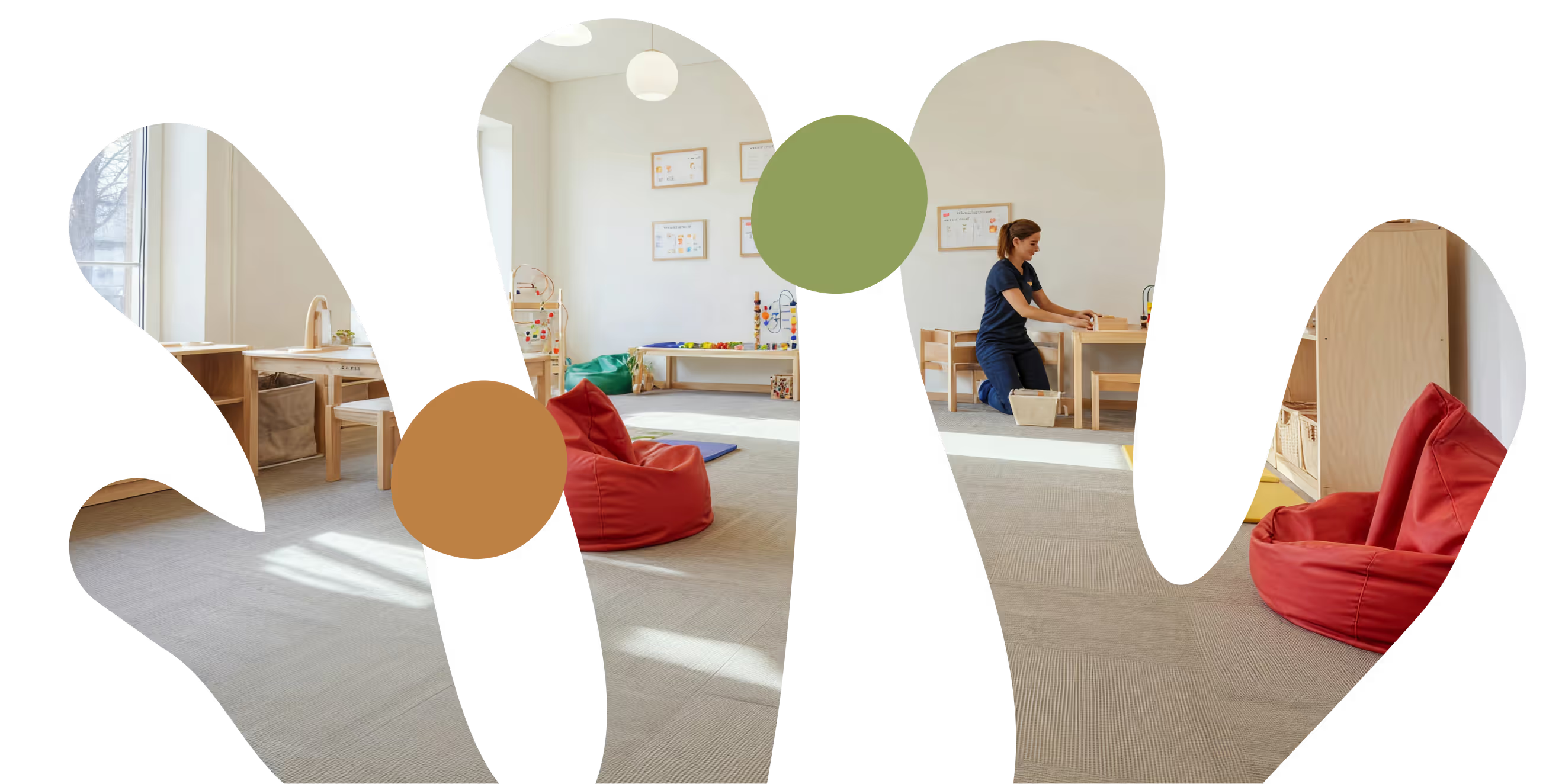
Our Smithfield center is built for focused learning, with calm therapy rooms, space for guided play, and a consistent daily routine. Children work one-on-one with trained therapists, every plan is overseen by a BCBA, and parent training helps progress carry over at home. We accept NC Medicaid and commercial insurance plans, and proudly serve families from Smithfield, Selma, Four Oaks, Clayton, and across Johnston County.

Individualized plans built and supervised by a BCBA

Peer play and social skills practice with professional guidance

Predictable routines that build school readiness and independence

Why in-clinic care works
In-clinic ABA therapy provides measurable improvements in communication, behavior, and daily living skills. Supported by national health organizations and decades of research, this structured, focused model remains one of the most effective treatments for children with autism.
74%
2x
100%
45%



FAQs
Answers to common questions about center-based ABA therapy at our Smithfield center.
In-clinic ABA therapy takes place in a structured environment designed for learning and skill development.
Yes. We offer autism diagnostic evaluations for families in Smithfield and across Johnston County, so you can get clear answers and, if ABA is the right fit, start therapy at our Smithfield center. You're never obligated to use our ABA services after an evaluation. Reach out and our team will help you schedule one.
Toddlers, preschoolers, and school-aged children benefit most from in-clinic sessions.
In-clinic therapy creates opportunities for peer interaction, structured practice, and intensive learning.
Yes, most insurance providers in North Carolina cover in-clinic ABA therapy.
ABA therapy in a clinic is delivered through structured sessions where therapists use evidence-based teaching strategies, guided play, and skill-building activities. Each session follows a plan created by a BCBA and tailored to your child’s needs.
An ABA clinic is designed to provide therapy in a structured, supportive environment. Children attend scheduled sessions with trained therapists, and BCBAs supervise progress, update treatment goals, and coach families.
The in-clinic setting includes therapy rooms, play areas, and materials for structured teaching and social interaction. It is built to reduce distractions and encourage learning.
A typical clinic session may include one-on-one teaching, guided play, social skill activities, and practice of daily living routines. Data is collected throughout the session to measure progress.
Parents are welcome to observe parts of sessions if desired, and many clinics also schedule parent training sessions so families learn strategies to use at home.
A formal autism diagnosis is required for insurance coverage. After diagnosis, a BCBA completes an assessment to determine therapy goals and the best setting (home, clinic, or a combination).
Center-based ABA therapy is another term for in-clinic therapy. It refers to therapy delivered in a structured learning center rather than at home or school.
In-clinic therapy provides fewer distractions and access to specialized materials, while at-home therapy focuses on skills in daily routines.
ABA centers operate like therapy hubs where children attend scheduled sessions in small groups or individually. They provide access to trained staff, supervised BCBAs, and materials designed for teaching communication, social, and daily living skills.
Schedule a walkthrough of our new center
Come see our brand-new ABA therapy center at 910 S Brightleaf Blvd in Smithfield. Fill out the form below and our team will reach out to set up a time that works for your family.